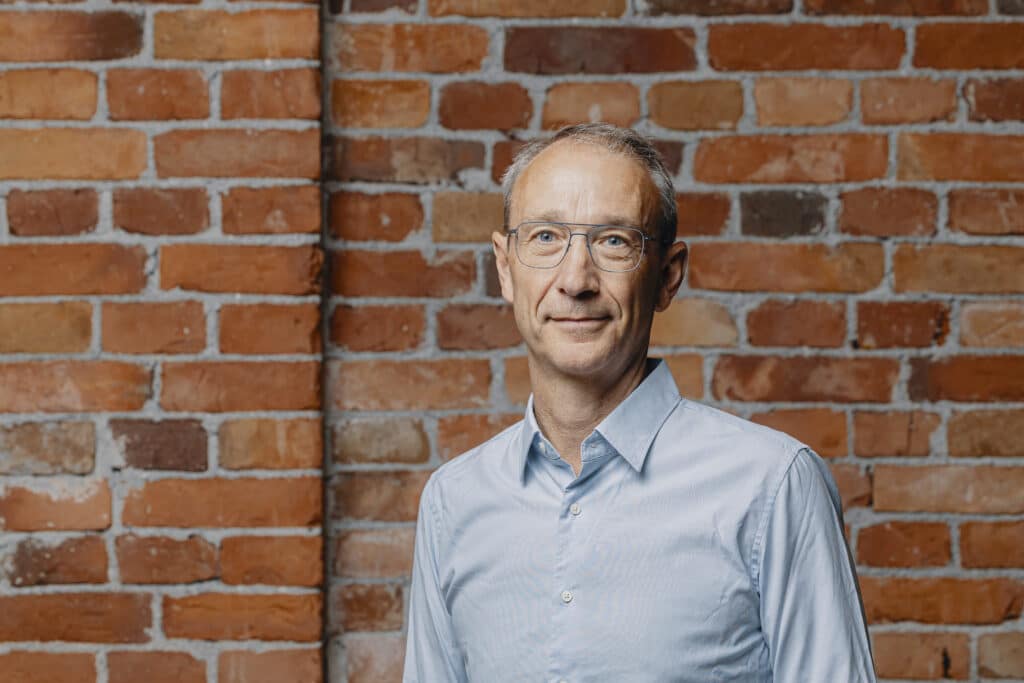
Nice to meet you. Could you start by telling us a bit about your background and career path before joining Mantec?
I hold a master’s degree in structural systems design and a bachelor’s degree in marketing. Even before I joined Mantec, my career was focused on improving processes and strengthening profitability. I was always drawn to structural change and operational and financial improvements.
I joined Mantec in 2007. What attracted me was that I knew I would always have new challenges in new organisations and be constantly delivering results.
Nearly 20 years later, that is still what excites me: identifying where the financial opportunities lie and working with the client to realise them.
What originally attracted you to Mantec and what made you stay?
The variety and the impact. At Mantec, no two projects are the same. The industries differ, the people differ, the challenges differ, and that constant change keeps the work interesting.
What made me stay are the results. We do not just analyse, we implement. You see decisions improve, processes strengthen and the bottom line improve. That combination of variety and tangible impact is hard to find elsewhere.
What does your role as Operations Manager look like in practice?
I am very active during the analysis phase. Together with our experienced team of consultants, we make sure we achieve the best possible result for the client. The project proposal must make sense for the client, and the ROI must be relevant and realistic.
During implementation, our highly qualified team takes the lead. My role is to support, challenge and bring the right tools into play. Our methodology is structured and standardised, but every project is unique because people, cultures and industries differ.
Is there such a thing as a typical day for you and what defines a good one?
No, and that is exactly what makes it interesting. There are always new challenges.
A good day is when you see people in the client organisation start to do things differently, when decisions become fact-based, when new processes take hold and when habits begin to change. That is the moment you know improvement is real and that profitability will follow.
Denmark is often described as pragmatic and direct. How does that show in the way you work with clients and teams?
If there is a problem, we address it directly. That is how we communicate. Let us discuss it and solve it.
We are also pragmatic. The path to the target is not always a straight line. Sometimes it is option A, sometimes option B, but we keep moving forward. We make decisions fast. I would rather deliver 90 percent and move ahead than wait for 100 percent perfection and deliver nothing. The missing 10 percent we will find elsewhere.
How would you describe decision-making in a Danish working culture and how does it influence projects and results?
Companies vary widely. Some are used to constant change, others are more cautious. Our role is always to work within the client’s culture.
That said, Danish companies are generally agile and comfortable making decisions.
Trust is often highlighted as a key part of Danish business culture. What does trust mean to you in practice?
Trust means that when we agree something must change, it changes. We track decisions carefully. If alignment is missing, results suffer. Strong performance requires strong mutual trust.
We are often well liked in the organisations we work with, not because we are “nice consultants”, but because people see improvement and see it reflected in their everyday work and in the bottom line.
For me, a successful project ends with a good reference letter confirming that we delivered what we promised. All our projects have one.
From your experience, what role do people play in making change stick?
People are everything. The main part of the impact comes from employees making more informed, fact-based decisions, doing things differently and being more target focused.
We are very present in the organisation, from shop floor to top management. We participate in meetings, coach managers, train employees and support daily management. That is what makes change sustainable.
Our goal is always to leave the organisation better equipped to improve itself, also without us.
What do you find most challenging and most rewarding in change projects?
Every project is different. Change is rarely simple, and that is precisely why we are brought in. If the solution were easy, the client would have already implemented it.
The most rewarding moments are when you see habits change. When managers use data rather than gut feeling, when teams take ownership and when financial results confirm that the change works.
How would you describe your own leadership or working style?
At Mantec, we have very experienced and self-driven consultants. My role is not to control them, but to support them. You must give talented people room to perform.
Leading at Mantec is not difficult because we have top-level professionals. My task is to support and remove obstacles, help with resources and special competences, for example where to profitably use our AI team.
Operations work can be intense at times. How do you make sure you stay motivated, focused and balanced outside of work?
To be honest, I do not need to work on motivation. The work itself is motivating. Outside the office, I enjoy spending time outdoors: hunting, sailing and hiking.
But Mantec is a big part of my life. We are a close-knit group in Denmark. It is more than a workplace, it is a strong professional community.